What Our Customers Say
Blog

Fall brings a natural rhythm of transition. Leaves shift color and fall. Days shorten. The air carries a subtle crispness, reminding us that nothing in life is static. And yet, transitions—whether seasonal, professional, or personal—can feel uncomfortable, even unsettling. Change often asks us to move in ways that challenge our comfort zones. And while resistance is natural, learning to work with transitions rather than against them can transform them from stressors into opportunities for growth. Why Transitions Can Feel Difficult Even positive changes can trigger tension in the body and mind. Common signs of resistance include: Restlessness or anxiety Low energy or fatigue Difficulty focusing Emotional sensitivity or irritability These responses aren’t flaws—they’re signals that the nervous system is adjusting. They invite us to pause, listen, and move intentionally. Moving With the Flow of Change Honoring transitions begins with presence. Rather than forcing adaptation, notice what is happening in your body, emotions, and mind. Gentle awareness helps you: Release tension associated with uncertainty Integrate new routines or habits more smoothly Approach change with curiosity instead of fear Maintain balance even in periods of flux How Yoga Supports Transitional Seasons Yoga offers tools to navigate change with grace and steadiness. Practices such as slow flow, yin, or restorative yoga allow the body and mind to move with the season rather than against it. In this way, yoga becomes a gentle guide through life’s natural cycles. Integrating Transition Into Daily Life Even outside of class, simple practices can support smooth adaptation: Pausing to breathe and center yourself before reacting Observing emotional responses without judgment Allowing flexibility in routines instead of forcing rigidity Noticing small moments of growth and change These practices help transitions feel like evolution rather than struggle. An Invitation to Practice If fall feels heavy, uncertain, or full of new adjustments, yoga can provide a gentle container to navigate change. Explore how movement, breath, and presence can help you honor change without resistance—and find stability within the natural flow of life. Transitions don’t need to be stressful. With care, they can be opportunities for growth, clarity, and alignment.
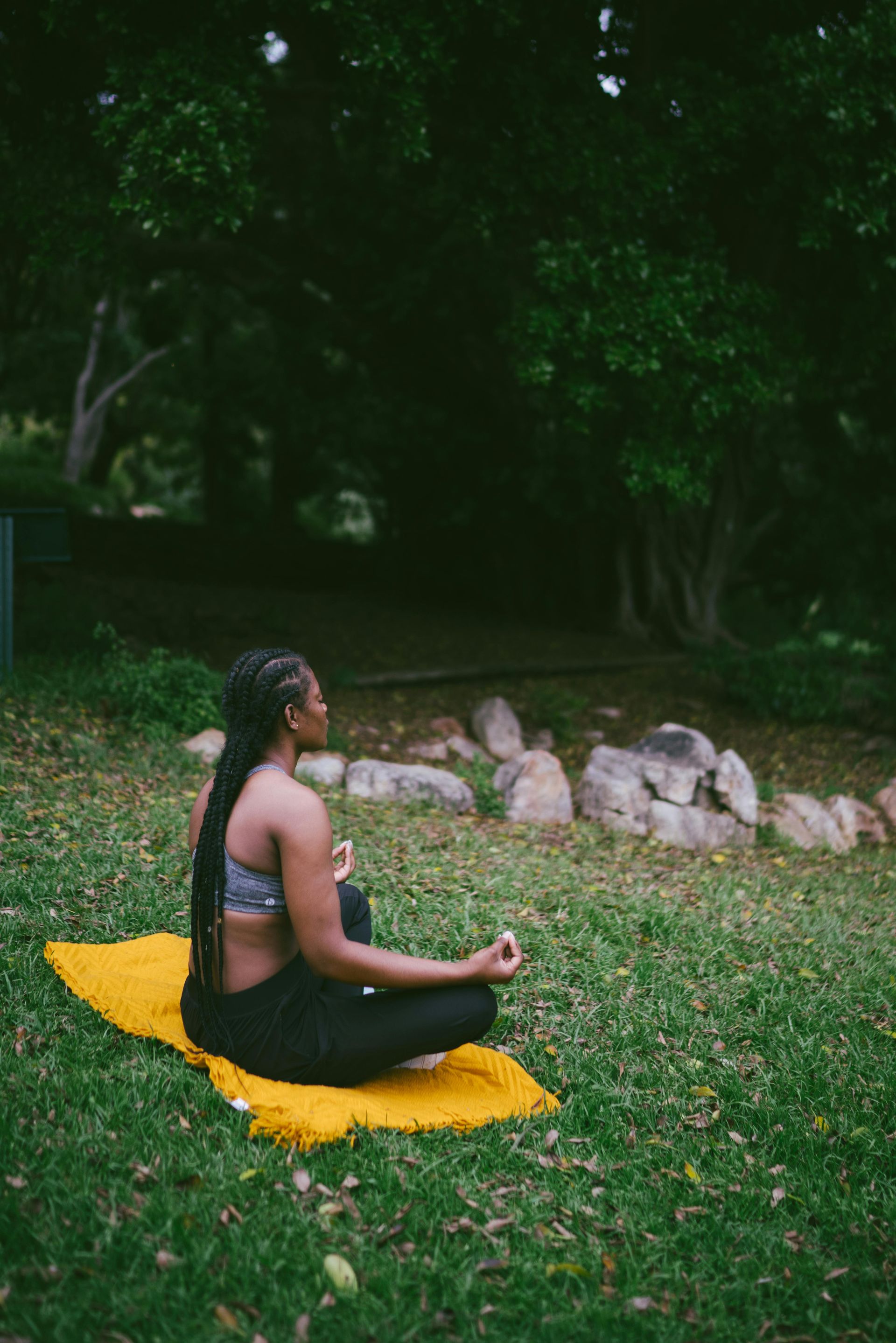
Fall is a season of letting go. As the leaves turn and drift from the trees, nature teaches us that release is part of the cycle. Just like the trees, we too carry habits, thoughts, and emotions that no longer serve us. Holding on can create tension, fatigue, and emotional clutter. Letting go, however, creates space—space for renewal, clarity, and growth. Why Letting Go Can Be Hard Even when we intellectually know it’s time to release something, the body often resists. Emotional holding can show up as: Tension in the shoulders, jaw, or chest Repetitive negative thought patterns Feeling stuck or stagnant Difficulty moving forward emotionally These sensations are natural—they are signals that we’ve been carrying more than we need. Letting go is both a physical and emotional process. The Art of Graceful Release Letting go doesn’t mean erasing memories or ignoring feelings. It means creating a gentle process of acknowledgment and release. By practicing awareness and presence, we allow emotions to flow without force or judgment. This cultivates inner freedom while honoring what has been. Some ways to support graceful release include: Noticing tension or emotion without judgment Breathing into areas of tightness Moving slowly and consciously through transitions Creating rituals or small acts that symbolize letting go Yoga as a Tool for Emotional Release Yoga offers a safe, structured way to practice release on both body and mind levels. Gentle movement and mindful breathing can help: Loosen physical tension and stuck energy Calm the nervous system Allow emotions to surface and move naturally Cultivate emotional resilience and clarity Restorative, yin, or slow-flow yoga practices are especially powerful in this season, helping you connect with the natural rhythm of letting go. Integrating Release Into Daily Life Even outside of yoga class, small practices can support letting go: Pausing to take a few conscious breaths before reacting Journaling feelings instead of suppressing them Acknowledging what no longer serves you and consciously moving forward Offering yourself patience and compassion during the process These mindful actions create space for emotional balance and personal growth. If you’re noticing tension, emotional heaviness, or difficulty releasing, yoga can provide a gentle and supportive way to let go. Join us this fall and explore how mindful movement can help you honor your emotions, release what no longer serves you, and create space for what matters most. Letting go doesn’t have to be forced—it can be a graceful, embodied practice.

Summer brings an energy of expansion and visibility. Social events, longer days, and vibrant surroundings naturally draw attention outward. With this energy comes a question many of us face quietly: How do I show up as myself—fully, confidently, and without self-judgment? Authentic presence isn’t about perfection. It’s about aligning inner confidence with outward expression—and that alignment often starts in the body. The Role of the Solar Plexus In both yoga philosophy and embodied practice, the solar plexus is a center of personal power, confidence, and self-expression. When it’s balanced, we feel capable of setting boundaries, taking action, and showing up authentically. When it’s off, we might notice: Self-doubt or hesitation Difficulty asserting needs Anxiety about judgment or visibility procrastination or avoidance The good news? The body can help regulate this energy, creating a foundation for genuine confidence. Body Awareness Builds Confidence Authenticity doesn’t come from forcing courage—it comes from being grounded in the body. Posture, breath, and presence influence our sense of self and how we interact with the world. Mindful practices that engage the core, open the chest, and expand the breath can help: Cultivate a sense of stability Release tension that blocks self-expression Reconnect mind and body in moments of hesitation Strengthen internal authority without arrogance Yoga as a Tool for Showing Up Yoga provides a safe and structured way to explore personal power and visibility. Through movement, breath, and awareness, yoga helps: Build internal confidence from the inside out Develop presence and emotional resilience Practice setting boundaries through intention and focus Integrate body and mind so self-expression feels natural Importantly, yoga allows growth without pressure. Showing up authentically is not about performance—it’s about practice. Integrating Confidence into Daily Life Confidence cultivated on the mat carries off the mat. Simple practices—like mindful posture, breath awareness, and intentional pauses—can help navigate social or professional situations with steadiness rather than tension. Even small shifts in how you inhabit your body can ripple outward, making authentic presence easier to access. An Invitation to Practice If you’re seeking to reconnect with your own confidence, authenticity, or personal power, yoga offers a gentle path forward. Our classes are designed to support self-awareness, grounded presence, and empowerment from within. There’s no need to perform or compare—just an invitation to explore your own capacity to show up fully, both on and off the mat. Join us this summer and cultivate a confidence that feels rooted, sustainable, and entirely your own.